How to Decide Between Cleaning and Removing Moldy Carpet
When Mold Gets Into Carpet, the Options Are Not Equal
Finding mold in carpet raises an immediate question: can you clean it, or does the carpet have to go? The answer depends on how deep the mold has spread, what kind of carpet and underlay you have, and how long the moisture has been present. Cleaning can work for surface mold caught early. But once mold reaches the backing or the underlay, removal becomes the only reliable fix. Understanding the practical differences between the two approaches helps you avoid wasted effort and lingering health risks.
What Cleaning Can and Cannot Do
Carpet cleaning for mold usually means applying a fungicidal solution, scrubbing the fibers, and extracting the moisture with a wet vacuum. This process can remove visible mold growth on the surface of the carpet. It works best when the mold is limited to a small area and the carpet is made of synthetic fibers that resist moisture absorption. Even then, success depends on drying the carpet thoroughly within 24 to 48 hours. If the backing or underlay stays damp, mold will grow back. Carpet Mold Removal Services Pros carpet underlay replacement
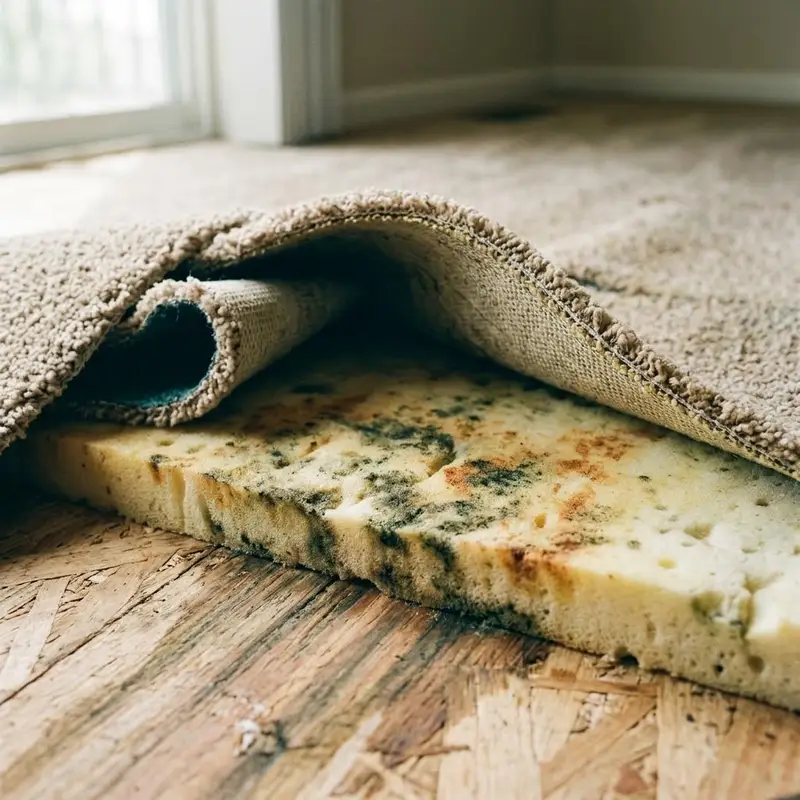
Cleaning does not solve problems in the padding or the subfloor. Moldy carpet disposal becomes necessary when the contamination has moved beyond the surface. One reason is that carpet underlay acts like a sponge. Once it gets wet, it holds moisture against the floor, and mold spreads quickly in that dark, damp environment. Cleaning the top fibers does nothing for the underlay. If you can smell mold but cannot see it on the surface, the underlay is almost certainly the source.
When Removal Becomes the Better Choice
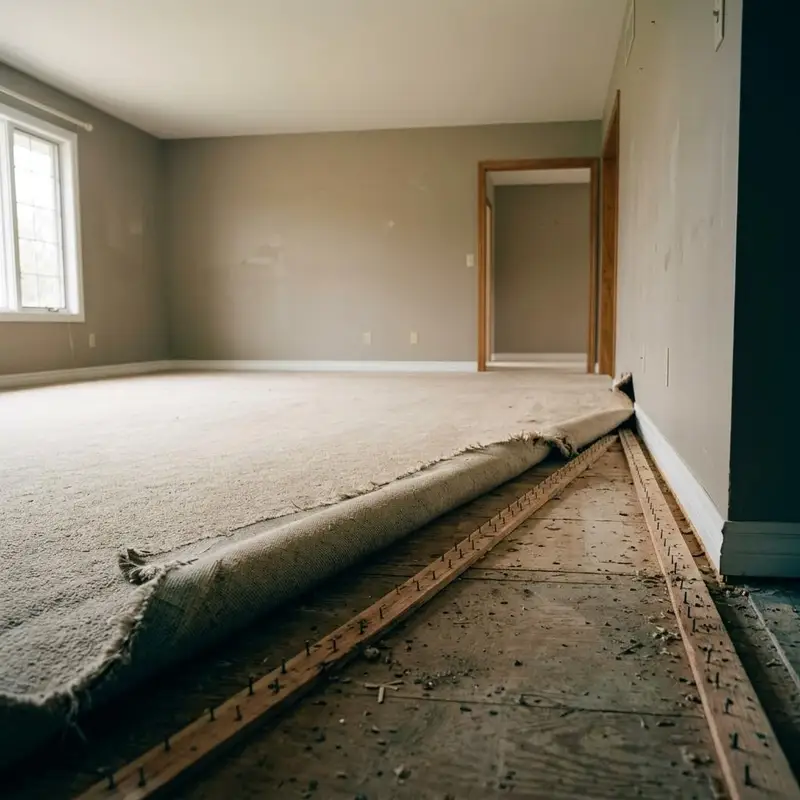
Removing moldy carpet means cutting it into manageable sections, rolling it up, bagging it, and taking it out of the home. The process also involves disposing of the underlay and treating the subfloor. In cases where mold has penetrated the carpet backing or the underlay, removal is not optional. It is the only way to stop the mold from spreading and to protect indoor air quality.
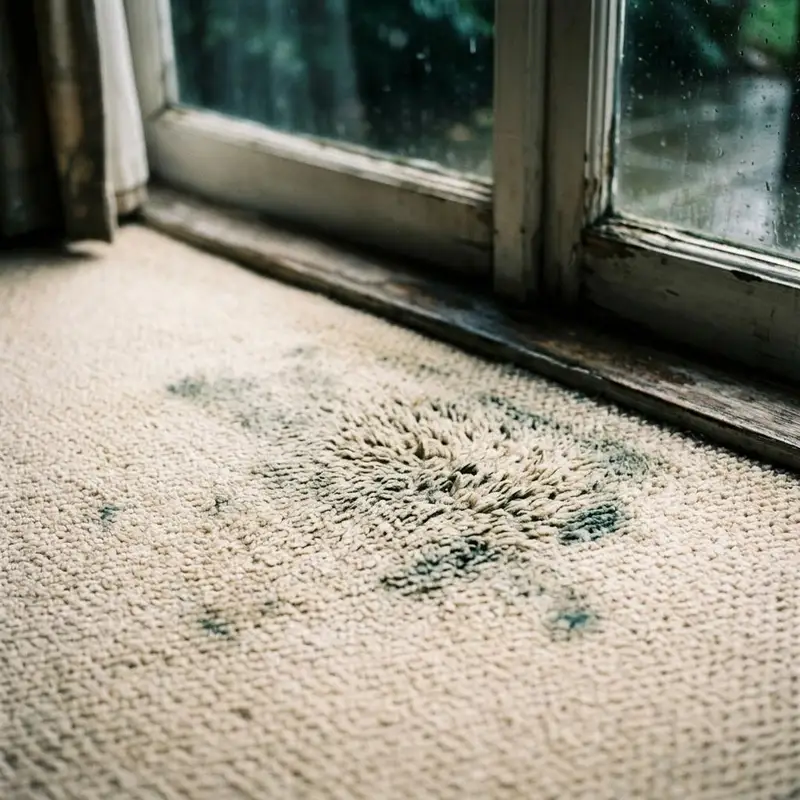
Mold releases spores into the air. Disturbing the carpet during removal can release even more, so proper containment is important. Sealing off the room with plastic sheeting and wearing a respirator are standard steps. The removed material should be double-bagged before disposal, because moldy carpet can continue to release spores in a trash pile. Many local waste authorities have specific rules for moldy carpet disposal, so checking those guidelines before you start saves trouble later.
A key factor in the decision is the type of carpet. Loop pile and berber carpets can trap mold deep in the weave, making cleaning almost impossible. Cut pile carpets are easier to clean on the surface, but if the backing is organic jute or latex, mold will degrade it quickly. Synthetic backing holds up better, but even then, the underlay is the weak point.
What Happens to the Subfloor
After removing moldy carpet, the subfloor needs inspection. Concrete slabs can often be cleaned and sealed. Plywood subfloors may need to be cut out if mold has penetrated the wood. The moisture source must also be addressed. Whether it is a leaking pipe, high humidity, or a foundation crack, the fix has to happen before new flooring goes down. Otherwise, you are just repeating the cycle.
This is where professional help often makes sense. A service that specializes in Carpet Mold Removal Services Pros carpet underlay replacement will handle the entire process: identifying moisture sources, removing contaminated materials, drying the structure, and improving indoor air quality. They have the equipment to dry subfloors quickly and the experience to know when cleaning is enough versus when full removal is required.
Practical Differences in Effort and Cost
Cleaning moldy carpet costs less upfront. You pay for cleaning solution, a machine rental or a service call, and your own time. But if the mold returns, you end up paying for removal later anyway. Removal costs more because it includes labor, disposal fees, and the price of new carpet and underlay. The trade-off is certainty. Removal eliminates the mold reservoir. Cleaning leaves some risk behind.
Another practical difference is timing. Cleaning can be done in a few hours, and the room is usable again after the carpet dries. Removal takes longer. You have to empty the room, remove the carpet, treat the subfloor, let it dry, and then install new flooring. That process can take days. For a living room or a bedroom, that is a significant disruption. For a basement or a rental property, it may be more manageable.
Health considerations also tip the scale. People with asthma, allergies, or respiratory conditions should not stay in a home where moldy carpet is being cleaned. The agitation of scrubbing releases spores. Removal also releases spores, but it removes the source permanently. If the mold problem is large, temporary relocation during removal is often recommended.
Signs That Cleaning Will Not Be Enough
- The carpet has been wet for more than 48 hours.
- You can see mold growing on the backing when you lift a corner.
- The underlay feels damp or smells musty.
- The mold covers an area larger than about three square feet.
- The carpet is older than five years and has been wet before.
If any of these conditions apply, cleaning is unlikely to solve the problem. Moldy carpet disposal is the more direct path. The goal is to remove the contaminated material and start fresh with a dry subfloor and new flooring.
How to Handle the Disposal Process
Moldy carpet disposal requires some planning. Cut the carpet into strips that are easy to roll and carry. Roll each strip with the moldy side inward to contain spores. Seal each roll in a heavy-duty plastic bag. Do the same with the underlay, which is usually more contaminated than the carpet itself. Wear gloves, a mask, and eye protection throughout. Keep the work area isolated from the rest of the home by closing doors and covering vents.
Check with your local waste management office about moldy carpet disposal rules. Some areas require it to be labeled as contaminated waste. Others allow it in regular trash but with bagging requirements. Following the rules avoids fines and keeps mold from spreading at the landfill.
After the carpet is gone, clean the subfloor with a mold-killing solution and dry it thoroughly. A dehumidifier and fans can speed up drying. Do not install new carpet until the subfloor moisture reading is below 15 percent. If you use a moisture meter, follow the manufacturer's guidelines. Once the subfloor is dry and treated, you can lay new underlay and carpet.
When Professional Help Is Worth It
Large areas of mold, mold that has penetrated the subfloor, or mold from sewage or floodwater calls for professional remediation. The same goes for homes where occupants have mold sensitivities. A full-service remediation company like Carpet Mold Removal Services Pros carpet underlay replacement brings industrial drying equipment, HEPA air scrubbers, and containment protocols that are hard to replicate with home tools. They also handle moldy carpet disposal in compliance with local regulations, which removes one more headache.
In cases where the mold is confined to a small patch of carpet and caught early, a thorough cleaning can work. For everything else, removal is the practical choice. The key is to assess the situation honestly, factor in the condition of the underlay, and decide based on whether you can dry the assembly completely. If you cannot guarantee that, moldy carpet disposal is the safer bet.